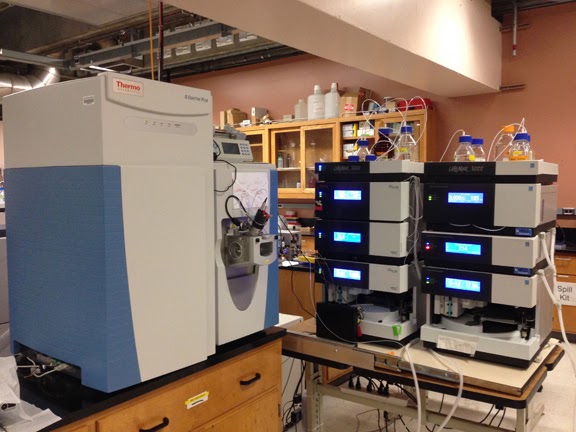
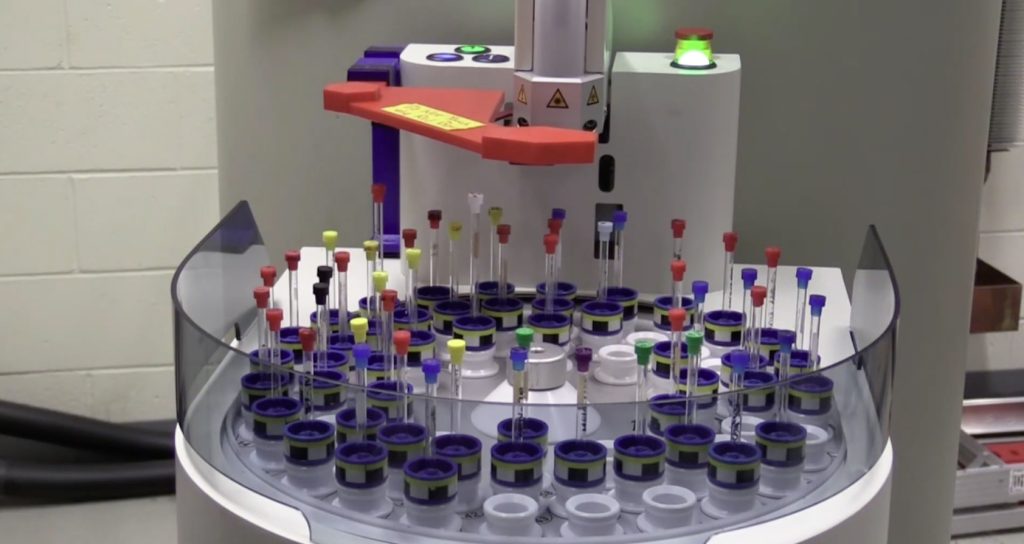
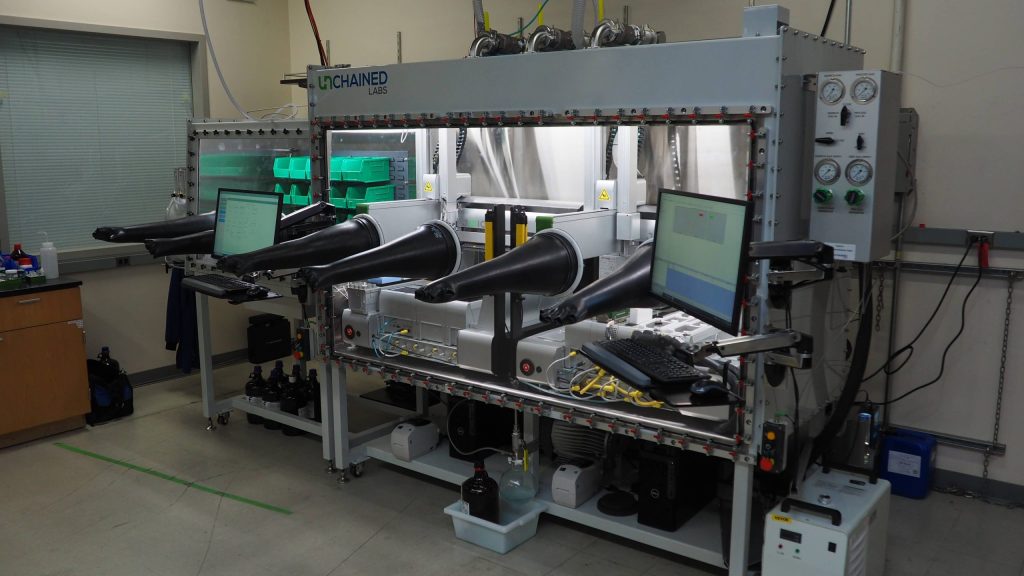
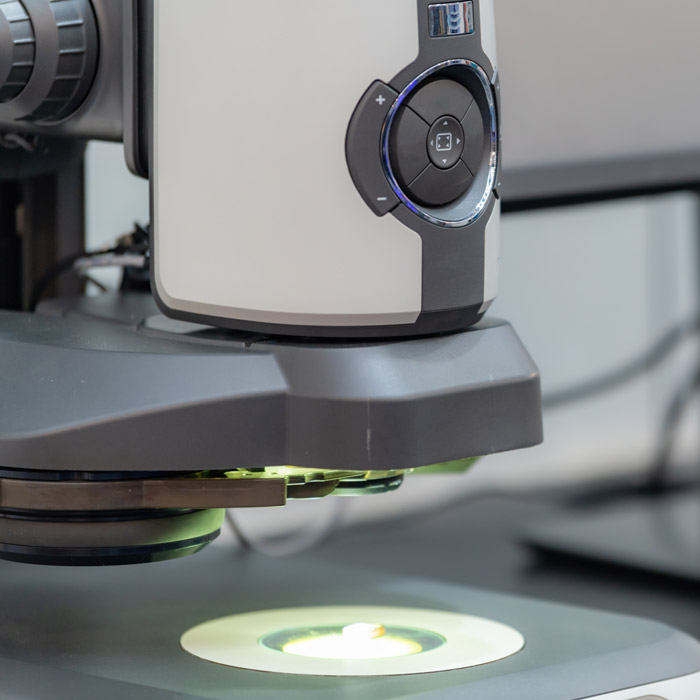
The UCLA Molecular Instrumentation Center (MIC) in the Department of Chemistry and Biochemistry is open to UCLA researchers, other academic institutions, and commercial enterprises. MIC encompasses six major areas: Magnetic Resonance, Mass Spectrometry, X-ray Diffraction, Materials Characterization, Electron Microscopy, and High-Throughput Synthesis.
Acknowledgements
The Molecular Instrumentation Center acknowledges the following for support:
UCLA Division of Physical Sciences
NSF-MRI award 1625776 is acknowledged for the SQUID in the Material Science Facility
NSF-MRI award 1532232 is acknowledged for the solid-state AV600SS in the NMR Facility
The S10 program of the NIH Office of Research Infrastructure Programs, under grant S10OD028644, is acknowledged for the NEO600 in the NMR Facility
NSF-MRI award 2117480 is acknowledged for the EPR instrument
Faculty Publications
Carter, N., Hammond, T., & Yusuf, R. (2025). “Biochemical Adaptation Mechanisms in Tumor Microenvironments.” Cancer Metabolism Reports, 14(5), 302–329. https://doi.org/10.8820/cmr.2025.145302
Patel, S., Kimura, H., & Reyes, A. (2026). “Advanced Imaging Techniques for Protein Interaction Analysis.” Analytical Molecular Science, 7(3), 155–178. https://doi.org/10.5502/ams.2026.73155
Discovering Life at the Molecular Level
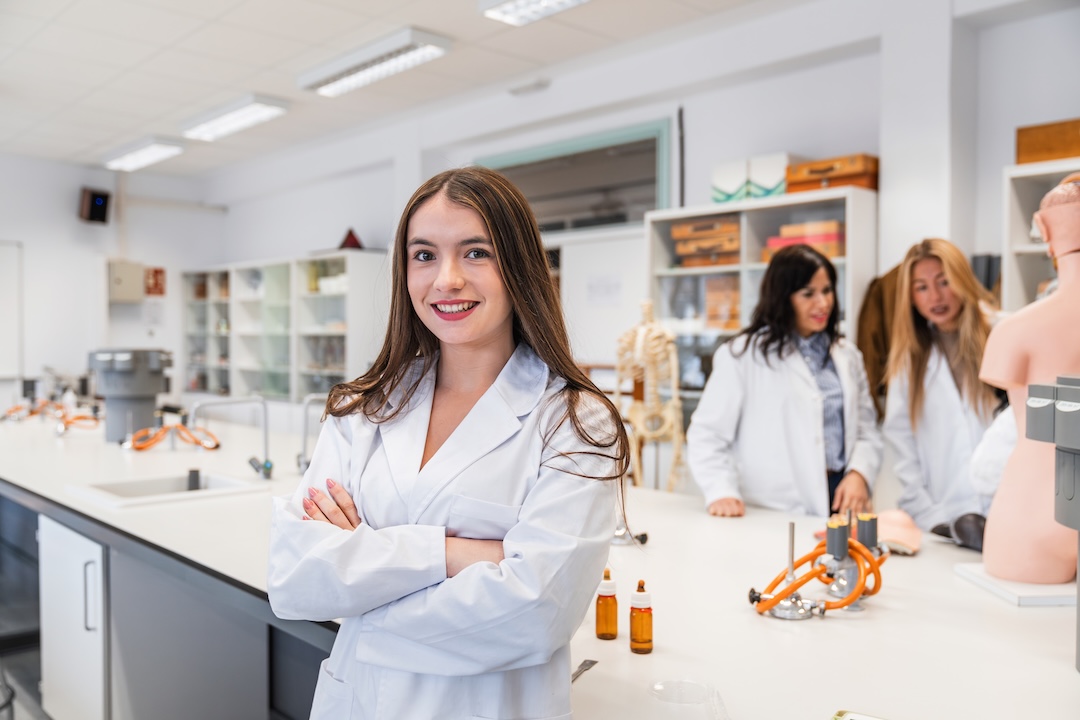
Research is a central part of the student experience in the Department of Biochemistry. From early laboratory exposure to advanced independent investigation, students are encouraged to participate directly in the process of scientific discovery. Working alongside faculty mentors, students contribute to projects across molecular biology, cellular systems, protein science, metabolism, and emerging areas of biochemical research. Through hands-on experimentation, data analysis, and collaborative inquiry, students develop the technical skills, critical thinking, and scientific perspective needed to pursue careers in research, healthcare, industry, and advanced study.

of undergraduate students work on faculty research
#15
World Reputation Rankings for Research
Times Higher Education (2023)